
Introduction: Aesthetic Treatments During Ramadan
Ramadan is a month of spiritual reflection, discipline, and lifestyle adjustments. With changes in eating patterns, hydration, and sleep schedules, many patients wonder how fasting may influence aesthetic procedures.
Common concerns include:
- Does fasting affect Botox or fillers?
- Is microneedling safe while fasting?
- Will healing take longer during Ramadan?
This guide explains how fasting may impact your body and how to plan aesthetic treatments safely throughout the holy month.
Does Fasting Affect Aesthetic Procedures?
Fasting temporarily alters daily body rhythms, particularly:
- Hydration levels
- Blood sugar balance
- Energy levels
- Skin barrier function
While fasting itself does not negatively change aesthetic results, mild dehydration may temporarily influence skin plumpness and post-treatment comfort.
Most non-surgical aesthetic procedures remain safe during Ramadan when properly scheduled and performed under medical supervision.
How Fasting Impacts Healing & Skin Recovery
Hydration plays a critical role in:
- Collagen production
- Tissue repair
- Reducing inflammation
- Maintaining skin elasticity
During fasting hours:
- Skin may appear slightly drier
- Swelling may feel more noticeable
- Recovery comfort may depend on hydration status
However, treatment outcomes such as Botox muscle relaxation or filler volume retention are not directly altered by fasting. Proper care and hydration during non-fasting hours are key.
Safe Aesthetic Treatments During Ramadan
Commonly safe options during Ramadan include:
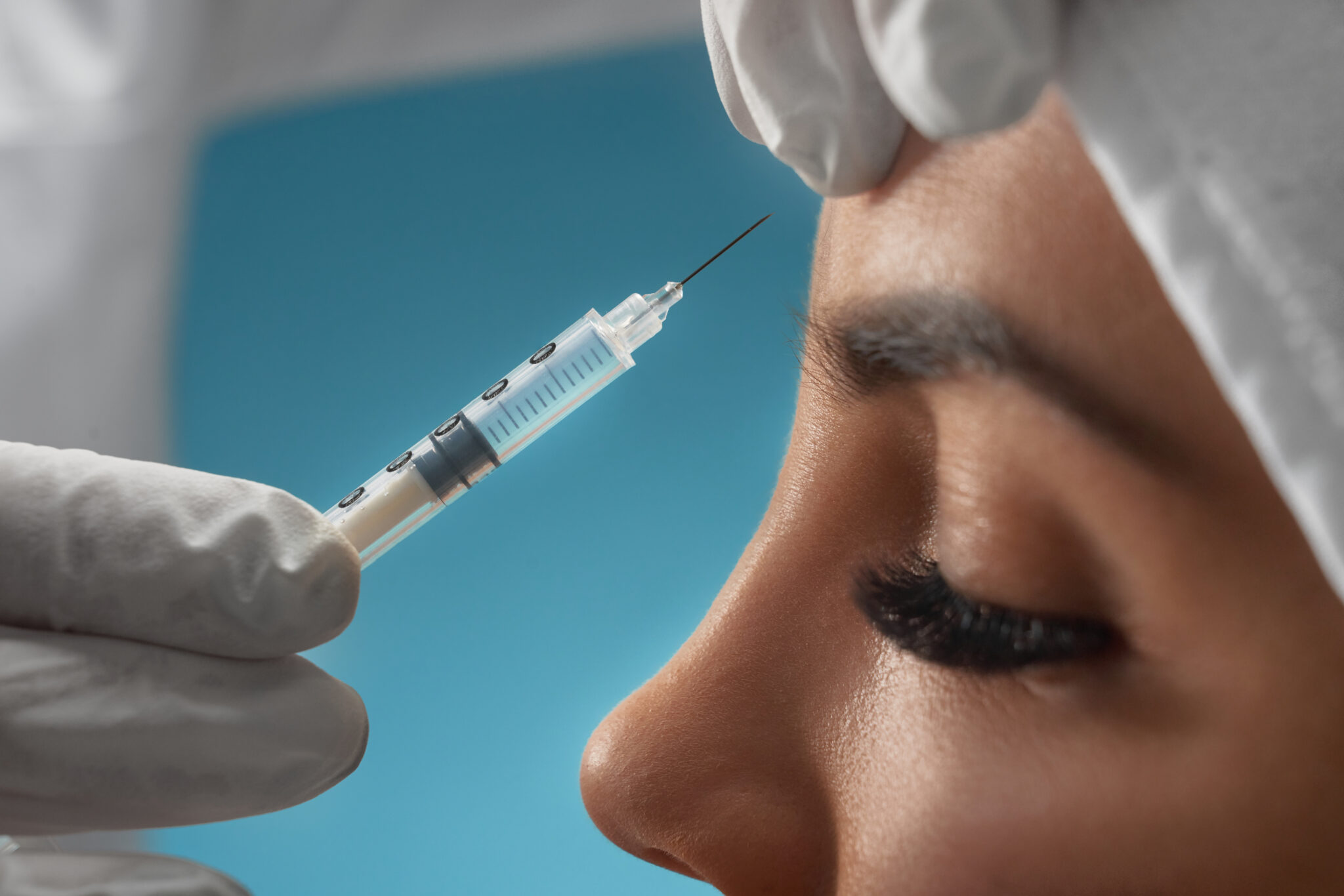
- Botox injections
- Dermal fillers
- Skin boosters
- PRP treatments
- Microneedling
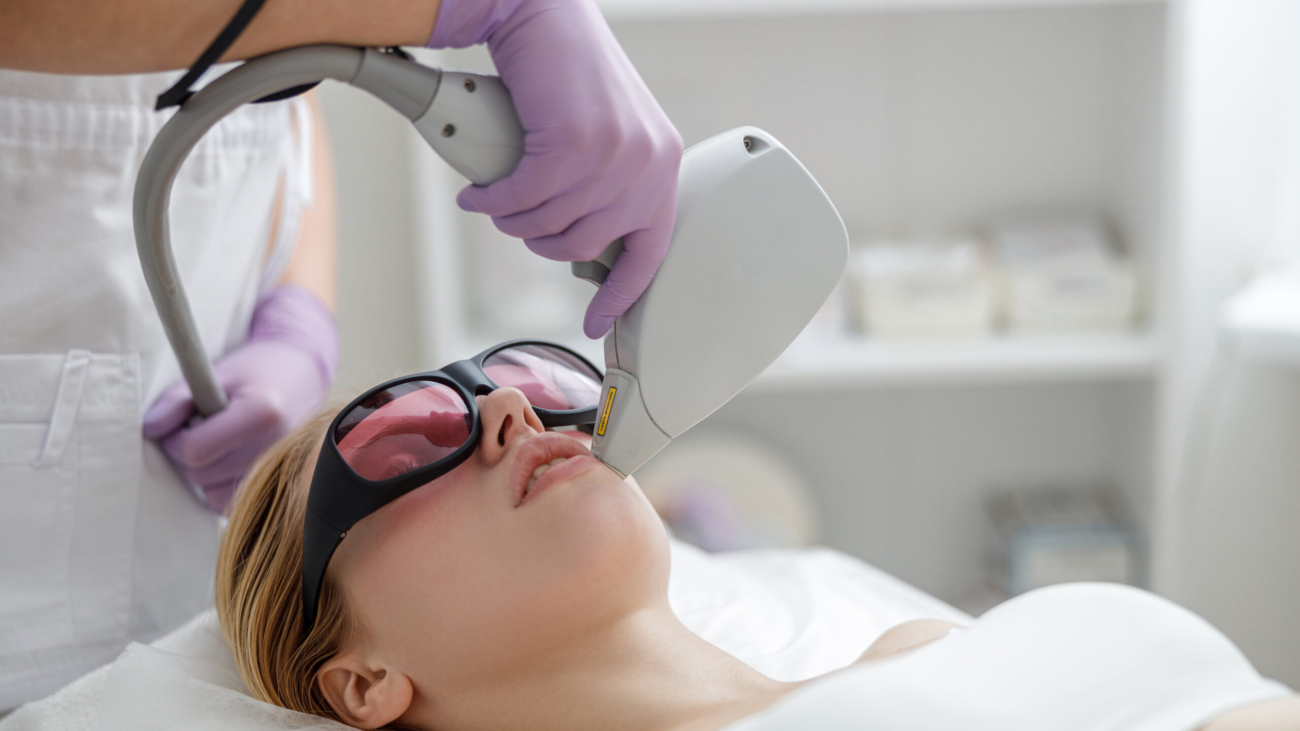
- Gentle laser sessions
More aggressive resurfacing lasers or surgical procedures may be better postponed until after Eid to ensure optimal hydration and recovery conditions.
Best Timing for Procedures While Fasting
For maximum comfort and safety:
✔ Schedule treatments after Iftar
✔ Hydrate well between Iftar and Suhoor
✔ Avoid long sessions during peak dehydration hours
✔ Follow post-procedure instructions carefully
Evening appointments are often ideal because the body is nourished, hydrated, and better prepared for recovery.
Will Results Be Different During Ramadan?
A common concern is whether fasting changes the effectiveness or longevity of aesthetic treatments.
Clinically:
- Botox effectiveness remains unchanged
- Fillers maintain their volume and duration
- Collagen stimulation continues normally
- Healing comfort depends largely on hydration and nutrition
The most important factor is maintaining proper nighttime hydration and balanced meals to support tissue recovery.
When Should You Delay Treatment?
It may be advisable to postpone procedures if:
- You experience dizziness while fasting
- You have low blood pressure
- You struggle to maintain adequate hydration
- You are planning an intensive laser or surgical procedure
Patient safety should always come first, and individualized assessment is essential before scheduling treatments during Ramadan.
Final Thoughts: Smart Planning for Safe Results
Fasting does not automatically prevent aesthetic treatments, but thoughtful planning is essential.
Understanding how hydration, timing, and recovery may be influenced during Ramadan allows patients to make informed decisions. Choosing a reputable aesthetic center ensures treatments are tailored to your health status and schedule.
For customized treatment plans and safe Ramadan scheduling, patients are encouraged to seek consultation at trusted aesthetic centers such as Reveal Clinics, where medical expertise prioritizes both safety and optimal results.
✨ Balance your spiritual journey and your aesthetic goals with professional guidance. Book your consultation today.