



Why Moisturizers Stop Working in Winter & What Experts Recommend Instead
During winter, many people experience persistent dryness despite frequent use of moisturizers. A common complaint heard every year is:
“I apply moisturizer all day, yet my skin still feels dry and tight.”
This frustration is understandable—but often misunderstood. In winter, the issue is rarely about not using enough moisturizer or choosing the wrong brand. In most cases, it points to skin barrier dysfunction, a deeper problem that moisturizers alone cannot fix.
Understanding why moisturizers fail during winter is essential to restoring skin comfort, hydration, and long-term health—especially in dry climates like Riyadh.
Why Moisturizers Stop Working During Winter
- Increased Transepidermal Water Loss (TEWL)
Winter air in Riyadh is extremely dry, which accelerates transepidermal water loss.
As a result:
- Moisture evaporates rapidly from the skin
- Hydration cannot be retained
- Even rich creams provide only temporary relief
If water loss is not controlled, moisturizers become ineffective.
- A Weakened Skin Barrier
The skin barrier acts as a protective shield against dehydration and irritation. In winter:
- Natural lipids decline
- Structural proteins weaken
- Micro-cracks form within the skin
When the barrier is compromised, moisturizers remain on the surface instead of repairing the skin—leading to ongoing dryness and sensitivity.
- Using the Wrong Type of Moisturizer
Many winter moisturizers focus only on occlusion, meaning they seal the skin without addressing:
- Barrier repair
- Inflammation control
- Deep hydration
Sealing damaged skin without repairing it does not solve the underlying issue and often worsens discomfort.
- Overuse of Active Skincare Ingredients
Ingredients such as retinoids, exfoliating acids, and strong cleansers can:
- Further weaken the skin barrier
- Increase redness and irritation
- Reduce the skin’s ability to retain moisture
Winter skin typically requires less activity and more restoration.
- Incorrect Application Timing and Technique
Moisturizers are less effective when applied:
- On completely dry skin
- After excessive cleansing
- Without hydrating layers underneath
Without water to lock in, even the best moisturizer cannot perform properly.
Signs Moisturizer Alone Is Not Enough
Common indicators of barrier damage include:
- Dryness returning within hours
- Burning or stinging after product application
- Persistent redness or irritation
- Flaking despite frequent moisturizing
- Worsening eczema or dermatitis
These symptoms signal that the skin barrier needs repair—not just more product.
What Experts Recommend Instead
Rather than switching endlessly between moisturizers, skin experts recommend a barrier-focused skincare approach.
Step 1: Repair the Skin Barrier
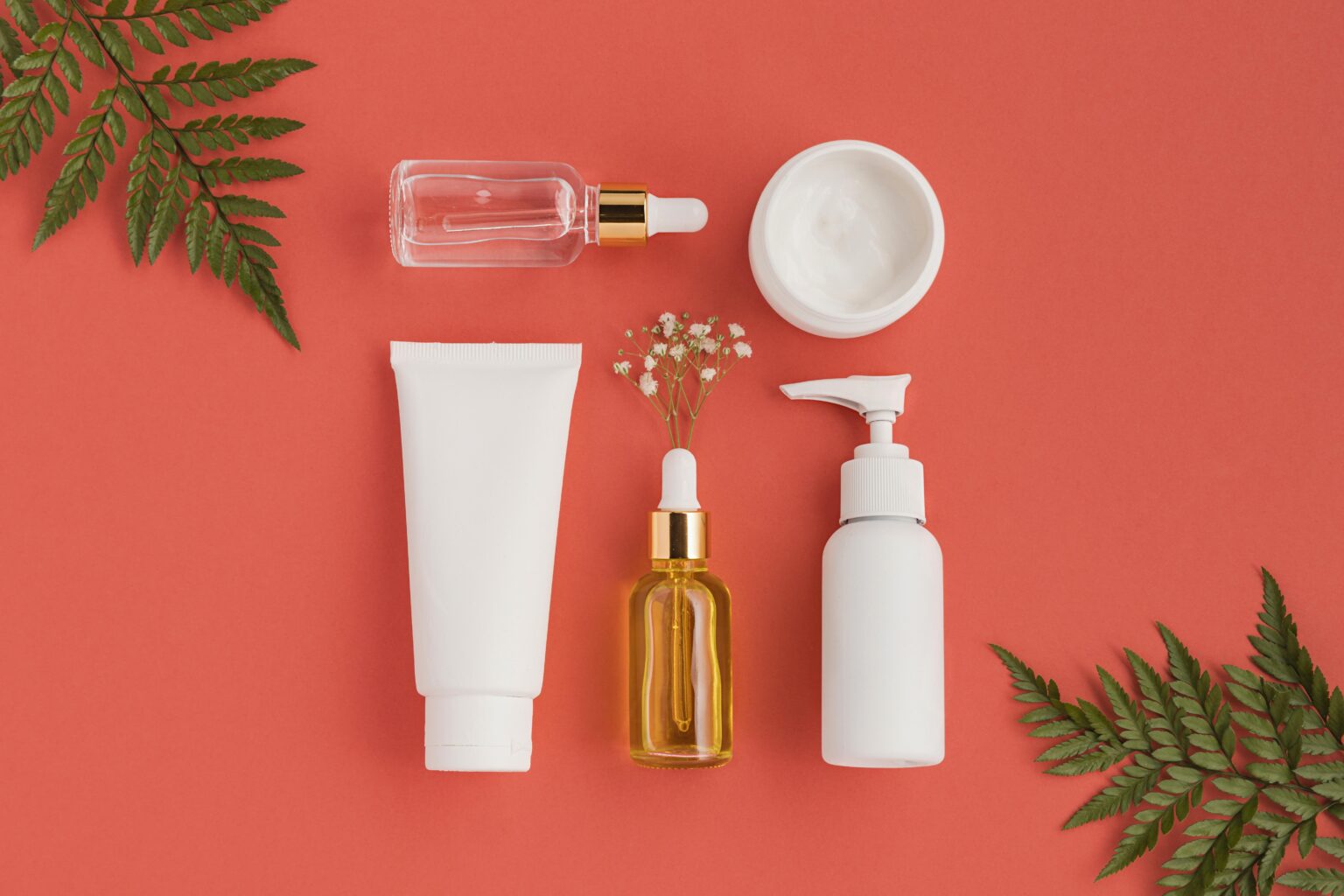
Effective barrier repair relies on ingredients such as:
- Ceramides
- Cholesterol
- Fatty acids
These components rebuild the skin’s natural defense system and restore resilience.
Step 2: Hydrate Before Moisturizing
Hydration adds water; moisturizers seal it.
Effective methods include:
- Using hydrating serums or essences
- Applying moisturizer to slightly damp skin
- Layering products correctly
This approach significantly improves moisture retention.
Step 3: Reduce Stress on the Skin
During winter, it is essential to:
- Limit exfoliation
- Pause aggressive active ingredients
- Use gentle, non-stripping cleansers
Allowing the barrier to heal leads to longer-lasting hydration and comfort.
Step 4: Consider Professional Skin Treatments
For ongoing dryness, professional treatments may help:
- Restore deep hydration
- Calm inflammation
- Strengthen skin resilience
These approaches support the skin beyond topical products alone.
Who Is Most Affected by Winter Moisturizer Failure?
- Sensitive skin types
- Individuals with eczema or rosacea
- Users of active skincare routines
- Adults over the age of 30
- Those undergoing aesthetic or dermatologic procedures
Final Thoughts
When moisturizers stop working in winter, the problem is not the product—it’s the skin barrier. Without restoring the barrier, no cream can provide lasting relief. A repair-focused approach that prioritizes hydration, protection, and gentle care is the key to healthy winter skin.
If dryness persists despite constant moisturizing, it may be time to shift from layering products to rebuilding skin health.
Stop layering creams. Start restoring your skin — book your consultation today.