


Introduction
Chemical peels have become one of the most searched and requested non-invasive skincare treatments in 2025—and for good reason. Whether you’re battling wrinkles, dark spots, acne scars, or texture issues, there’s a custom chemical peel that can help.
But with so many options—glycolic, TCA, lactic, salicylic—how do you know which peel is right for your skin?
Here are 10 expert answers to the most commonly asked questions about chemical peels, so you can choose the best one for your unique skin goals.
Q1: What kind of chemical peel should I get for wrinkles?
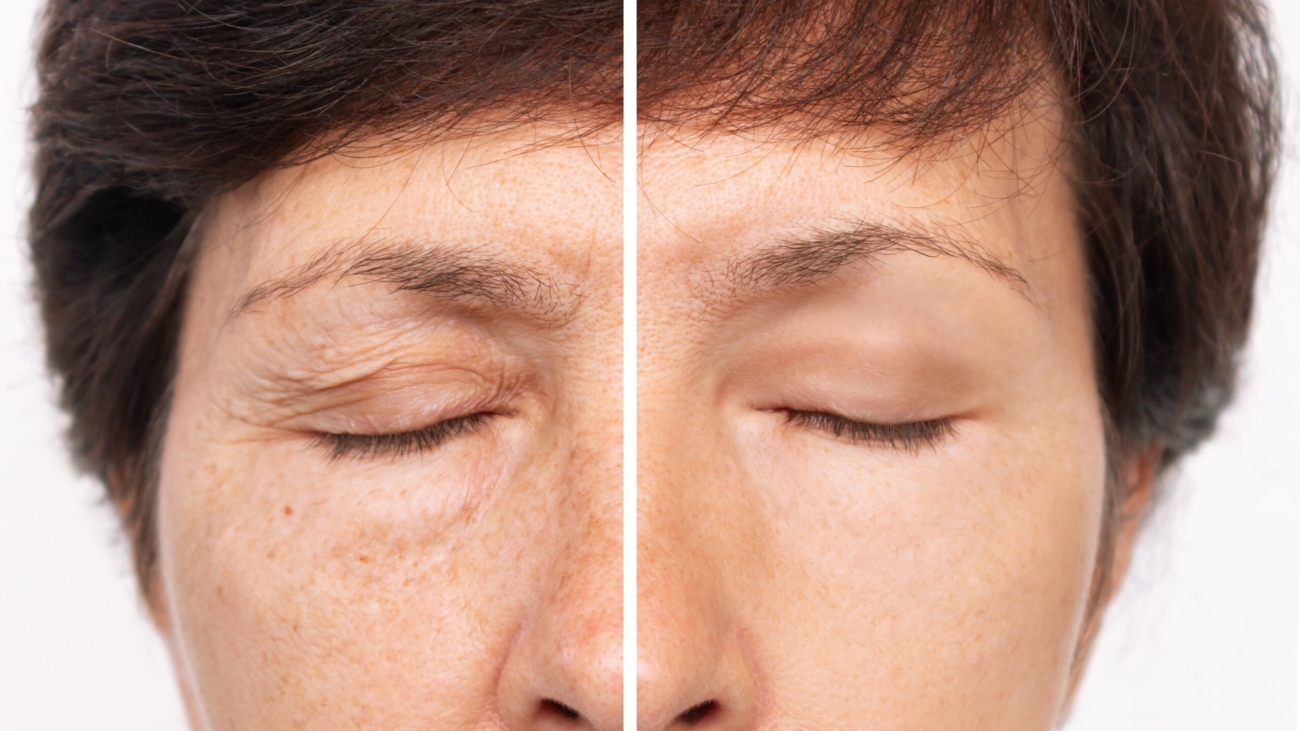
For fine lines and wrinkles, opt for a medium to deep peel like a TCA (Trichloroacetic Acid) peel or Jessner’s peel. These peels stimulate collagen, smooth texture, and firm the skin by penetrating deeper into the dermis. Pairing with retinol post-treatment can enhance long-term results.
Q2: Will a chemical peel remove dark spots?
Yes! Chemical peels can significantly fade dark spots by speeding up cell turnover and exfoliating the pigmented top layers of skin. A light to medium-depth peel with glycolic acid or mandelic acid is ideal for treating post-inflammatory hyperpigmentation, especially after acne.
Q3: What type of chemical peel should I get for hyperpigmentation?
Go for peels that contain kojic acid, lactic acid, or TCA, as these help suppress melanin production and promote even skin tone. A custom-blended medium peel works best when hyperpigmentation is persistent or widespread.
Q4: Which chemical peel is the best for melasma?
Melasma requires a gentle yet effective approach. The Cosmelan peel or a low-strength TCA or lactic acid peel is often used for melasma management. It’s important to use melanin-safe peels and incorporate post-care SPF and pigment inhibitors to prevent recurrence.
Q5: Will a chemical peel remove moles?
No. Chemical peels do not remove moles. Moles are deeper lesions that require dermatological assessment and possibly surgical or laser removal. Never attempt to treat a mole with a peel at home or without medical clearance.
Q6: Will a chemical peel reduce pore size?
Yes—indirectly. While peels don’t “shrink” pores, they can reduce their appearance by removing built-up oil, dead skin cells, and blackheads. Peels with salicylic acid or retinoic acid are great for refining texture and decongesting pores.
Q7: Can a chemical peel tighten skin?
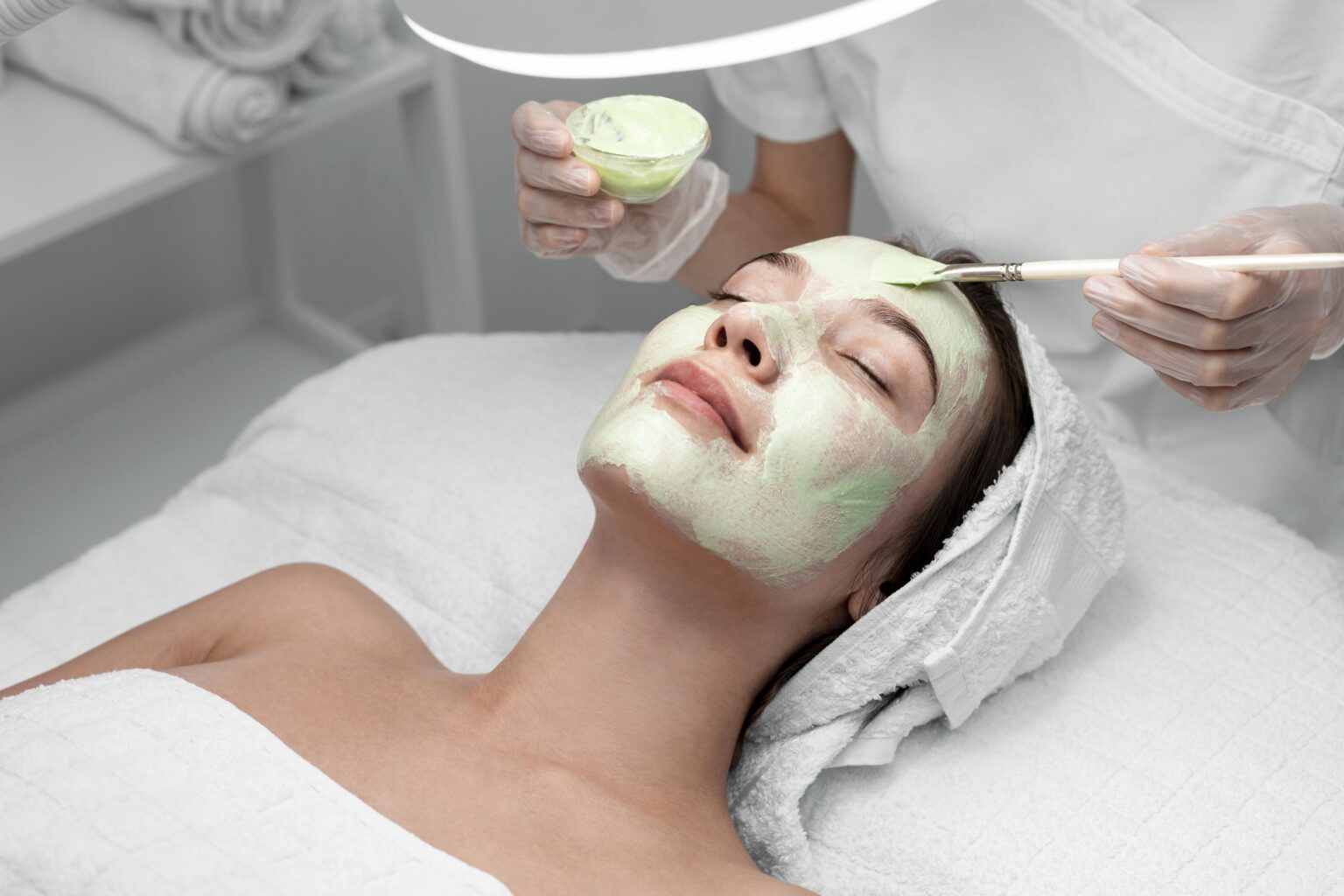
Medium to deep chemical peels (like TCA or phenol peels) can tighten loose or sagging skin by boosting collagen production. They create a tightening effect as the skin heals and regenerates, making them a non-surgical alternative for early signs of aging.
Q8: What type of chemical peel is best for aging skin?
Aging skin benefits most from TCA, glycolic acid, or combination peels that target wrinkles, pigmentation, and elasticity loss. These peels stimulate cellular renewal and collagen production, leading to a smoother, firmer, and more even-toned complexion.
Q9: What type of chemical peel is safe for dark skin?
Superficial peels with mandelic acid, lactic acid, or glycolic acid (in lower concentrations) are safe for darker skin tones. These peels reduce hyperpigmentation while minimizing the risk of post-inflammatory darkening, which is more common in melanin-rich skin.
Q10: What type of chemical peel is best for sensitive skin?
If you have sensitive skin, choose a lactic acid peel or a PHA (polyhydroxy acid) peel. These are gentler exfoliators that hydrate while exfoliating, with minimal irritation. Always patch-test and work with a skin professional to avoid over-exfoliation.
The beauty of chemical peels lies in their customizability. From fighting fine lines to fading stubborn spots, there’s a formula for every concern and skin type. The key is working with a trained professional at Reveal Clinics to match your skin’s needs with the right peel strength and ingredients—and always follow up with sun protection and aftercare.